
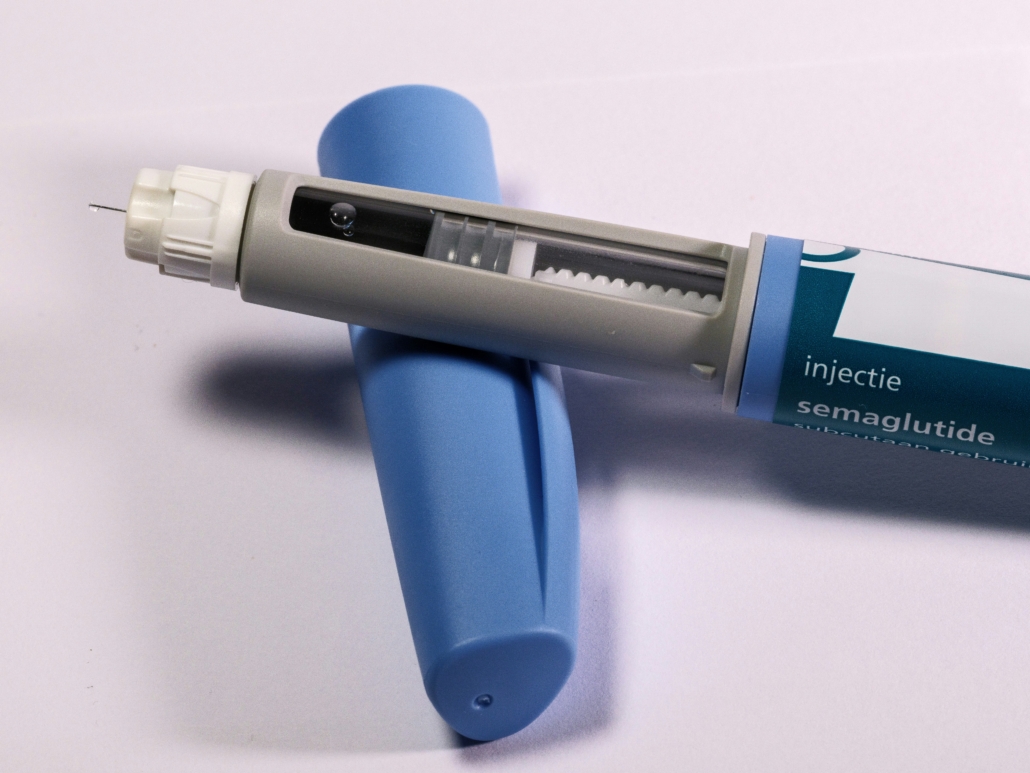
GLP-1 Nutrition for Athletes and Weight Loss: How to Protect Muscle, Reduce Side Effects, and Improve Results
GLP-1 medications like Ozempic, Wegovy, Zepbound, and Mounjaro are becoming increasingly common for weight loss and blood sugar management. But while these medications can be powerful tools, they work best when paired with thoughtful nutrition support.
As a sports dietitian, I’ve been working with more and more people using GLP-1 medications—both athletes and non-athletes. One of the biggest concerns I see is that people lose weight, but they also risk losing muscle, under-fueling, and feeling worse if they do not have a plan.
This article is for informational purposes only and is not medical advice. Always talk with your healthcare provider about whether a GLP-1 medication is right for you.
What Is a GLP-1 Medication and How Does It Work?
GLP-1 receptor agonists work through several pathways in the body:
- They increase insulin release when blood sugar is higher
- They suppress glucagon, the hormone that raises blood sugar
- They slow gastric emptying so food leaves the stomach more slowly
- They reduce appetite and help people feel full sooner
This slower digestion can help reduce blood sugar spikes after meals and may support weight loss because people often eat less overall.
There Should Be No Shame Around GLP-1 Medications
One of the biggest themes I hear from clients is guilt or shame.
Some people wonder if using a GLP-1 is “cheating.” Others feel judged for wanting help with weight loss. But the truth is that these medications can be incredibly helpful for the right person at the right time.
The goal is not simply to lose weight. The goal is to improve health, feel better, and build sustainable habits. GLP-1 medications are a tool—not a shortcut—and they work best when paired with a supportive healthcare team.
Why Working With a Registered Dietitian Matters
Research shows that people using GLP-1 medications have better results when they also work with a registered dietitian. That includes:
- better weight management
- more stable blood sugar
- fewer side effects
- more muscle preservation
- healthier long-term habits
A dietitian can help you avoid the common mistake of simply eating as little as possible. Instead, the goal is to lose body fat while protecting lean body mass and keeping your energy, metabolism, and health intact.
The #1 Nutrition Priority on a GLP-1: Protein
If you are taking a GLP-1 medication, protein needs to become a priority.
When appetite decreases, it becomes easier to under-eat. That often means people are not getting enough protein to preserve their muscle mass.
Protein helps:
- maintain lean muscle
- increase fullness and satiety
- support immunity and recovery
- preserve metabolism during weight loss
Chris recommends prioritizing high-quality protein sources throughout the day, especially within an 8–12 hour eating window.
Great options include:
- fish
- chicken and turkey
- Greek yogurt
- egg whites
- beans and legumes
- protein shakes if needed
Healthy Fats Still Matter
Protein is important, but healthy fats should not be forgotten.
Healthy fats support:
- brain function
- hormone production
- absorption of fat-soluble vitamins
- overall fullness and satisfaction
Focus on foods like:
- olive oil
- nuts
- seeds
- avocado
The key is balance: enough healthy fat to support your body, but not so much that it worsens nausea or slows digestion even further.
Why Fiber Is Essential on a GLP-1
Because GLP-1 medications slow digestion, many people experience constipation or sluggish digestion.
That is why fiber—especially soluble fiber—is so important.
Soluble fiber can help:
- improve bowel regularity
- support healthy blood sugar
- reduce constipation
- improve fullness
Chris specifically emphasizes foods like:
- beans
- oat bran
- vegetables
- nuts and seeds
Beans are one of her favorite recommendations because they provide both fiber and protein.
How to Reduce Nausea and Other GLP-1 Side Effects
The most common side effect people report is nausea.
If you are struggling with nausea, reflux, or stomach discomfort, try:
- smaller, more frequent meals
- protein-rich snacks every few hours
- staying well hydrated
- reducing spicy foods, chocolate, and mint
Skipping meals often makes nausea worse. That creates a cycle where you feel sick, eat less, then feel even worse because your blood sugar drops too low.
How Much Water Should You Drink?
Hydration becomes even more important when food intake decreases.
Chris recommends aiming for at least:
- 64 ounces of fluid per day for most women
- 100 ounces per day for most men
Many athletes or active adults may need more, especially in warmer weather or during exercise. Checking your urine color and frequency can help you know whether you are hydrated.
Why Nutrient Density Matters More Than Ever
When you are eating less overall, every bite matters.
That means choosing foods with the greatest amount of nutrition per calorie. When calories are low, there is less room for nutrient-poor foods.
This is also why Chris often recommends lab work and genetic testing. Testing can help determine whether you need additional supplements or nutrients rather than simply guessing.
Special Considerations for Athletes on GLP-1 Medications
GLP-1 medications may affect athletes differently because they also suppress glucagon, which helps release stored fuel during exercise.
If you are doing longer or more intense workouts—especially workouts lasting more than 3–4 hours—you may feel like you “hit the wall” sooner.
This is especially important for:
- marathon runners
- Ironman athletes
- ultra runners
- long-distance cyclists
Athletes using GLP-1 medications should pay extra attention to:
- pre-workout fueling
- carbohydrates during exercise
- post-workout recovery nutrition
- blood sugar monitoring
Chris is also a big fan of continuous glucose monitors when they are used with the right education and support.
DEXA Scans Should Be Part of the Plan
If Chris could make one recommendation to every prescribing provider, it would be this:
Anyone starting a GLP-1 should have a body composition assessment such as a DEXA scan before beginning and then every 6–12 months.
This helps answer the most important question:
Are you losing fat—or are you losing muscle too?
The goal should always be fat loss with muscle preservation.
GLP-1 Medications Are a Tool—Not a Permanent Solution
Many people love GLP-1 medications because they reduce “food noise”—the constant thoughts, cravings, and decisions around food.
But while you are taking the medication, it is important to also learn the habits and tools that will help you long-term:
- meal planning
- protein-first eating
- handling social situations
- recognizing hunger and fullness
- building sustainable routines
The medication can create an opportunity to learn and practice those skills while appetite is quieter.

Final Thoughts
GLP-1 medications can be incredibly helpful for the right person. But they are not a replacement for nutrition, movement, or learning how to support your body.
If you are using a GLP-1, focus on protein, fiber, hydration, and preserving muscle. Work with a qualified registered dietitian—especially if you are active or an athlete.
And remember: success is not just about losing weight. It is about getting healthier, feeling better, and building a plan that lasts.
Book a 30 Minute Quick Consult with our Sports Dietitian Here and get answers for your needs fast.